Right in the begining of this term our teacher had taught us about various camera shots, angles and movements. here I will be discussing about them in detail, with a few examples.
CAMERA SHOTS
Extreme Long Shot (aka Extreme Wide Shot) Used to show the subject from a distance, or the area in which the scene is taking place. The character doesn’t necessarily have to be viewable in this shot.
Long Shot (aka Wide Shot) Shows the subject from top to bottom; for a person, this would be head to toes, though not necessarily filling the frame. The character becomes more of a focus.
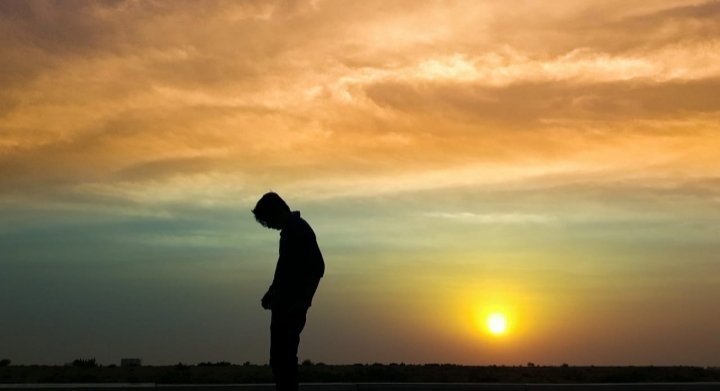
Full Shot Frames character from head to toes, with the subject roughly filling the frame. The emphasis tends to be more on action and movement rather than a character’s emotional state.
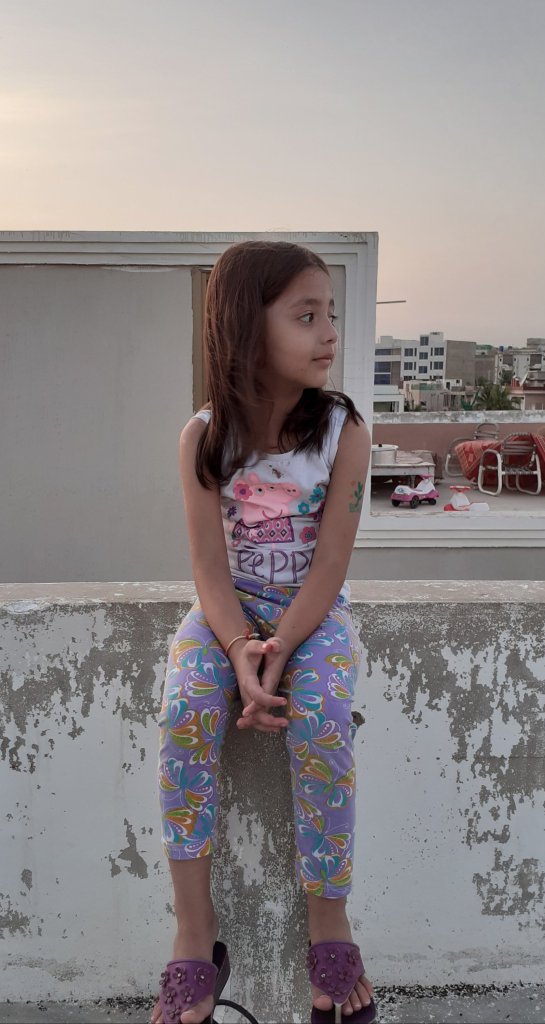
Medium Long Shot (aka 3/4 Shot) Intermediate between Full Shot and Medium Shot. Shows subject from the knees up.
Medium Shot Shows part of the subject in more detail. For a person, a medium shot typically frames them from about waist up. This is one of the most common shots seen in films, as it focuses on a character (or characters) in a scene while still showing some environment.
Medium Close-Up Falls between a Medium Shot and a Close-Up, generally framing the subject from chest or shoulder up.
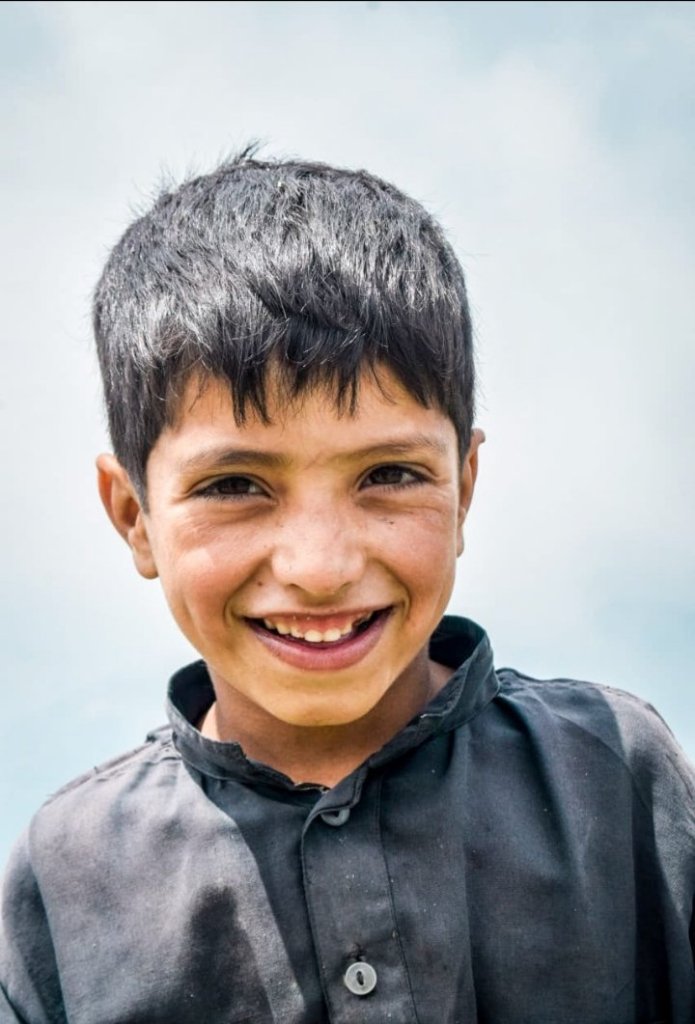
Close-Up Fills the screen with part of the subject, such as a person’s head/face. Framed this tightly, the emotions and reaction of a character dominate the scene.
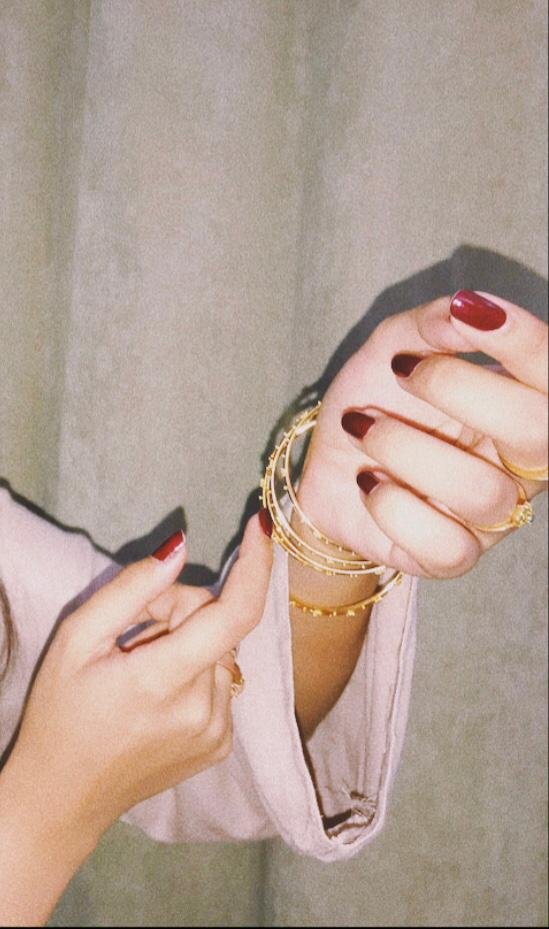
Extreme Close Up Emphasizes a small area or detail of the subject, such as the eyes or mouth
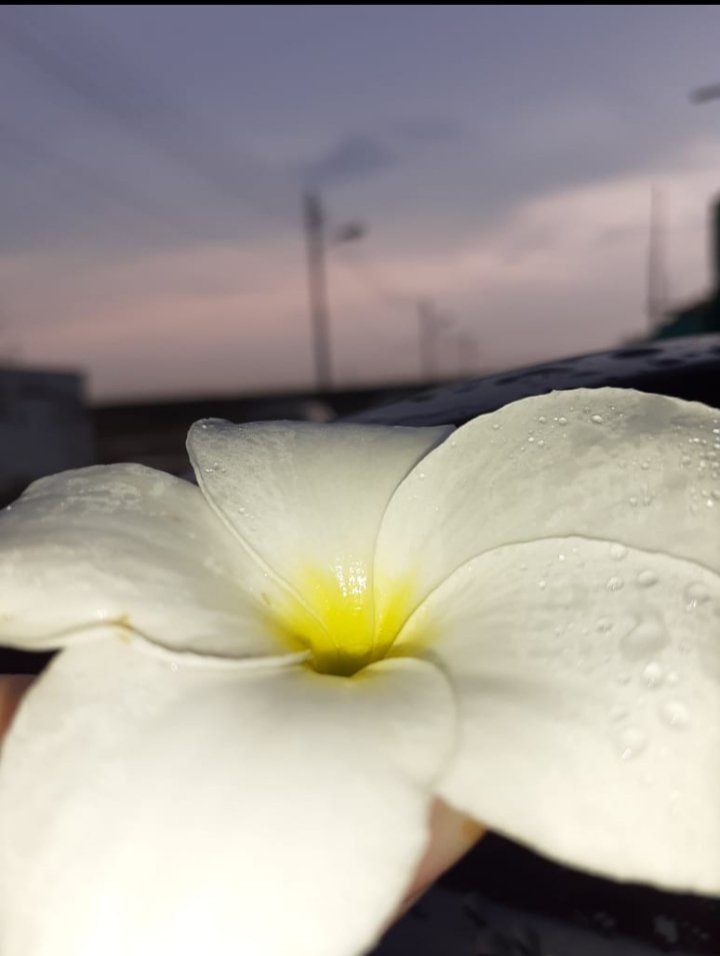
Establishing Shot Usually the first shot of a scene, this is used to establish the location and environment. It can also be used to establish mood and give the audience visual clues regarding the time (night/day, year) and the general situation.
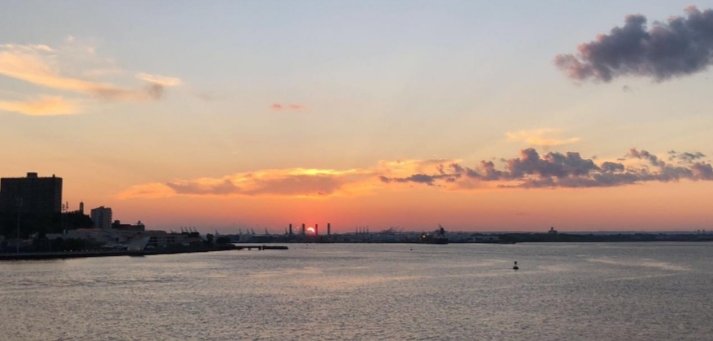
Cutaway A shot of something other than the subject and away from the main scene.
Cut-In Shows a Close-Up shot of something visible in the main scene.
Point of View Shot (POV) Shot intended to mimic what a particular character in a scene is seeing. This puts the audience directly into the head of the character, letting them experience their emotional state. Common examples are of a character waking up, drifting into unconsciousness, or looking through a scope or binoculars.
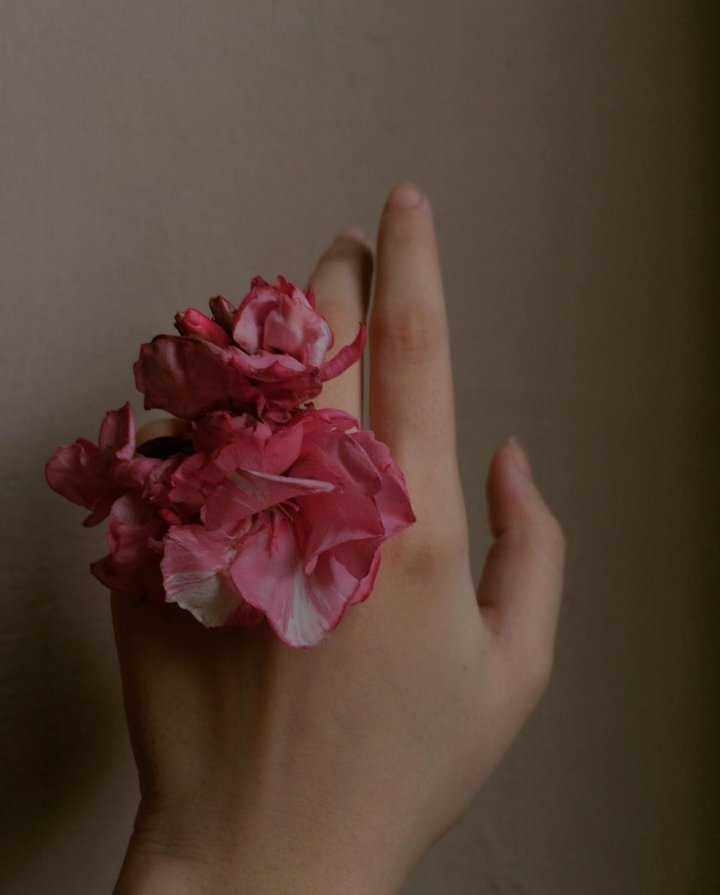
Reaction Shot Shows a character’s reaction to the shot that has preceded it.
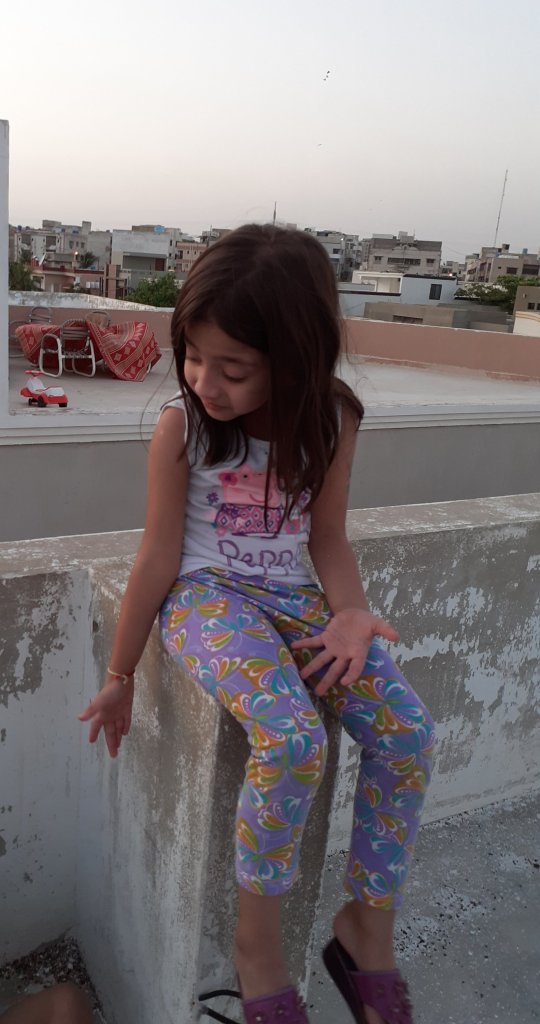
Weather Shot it shows the climate of the background or the location.
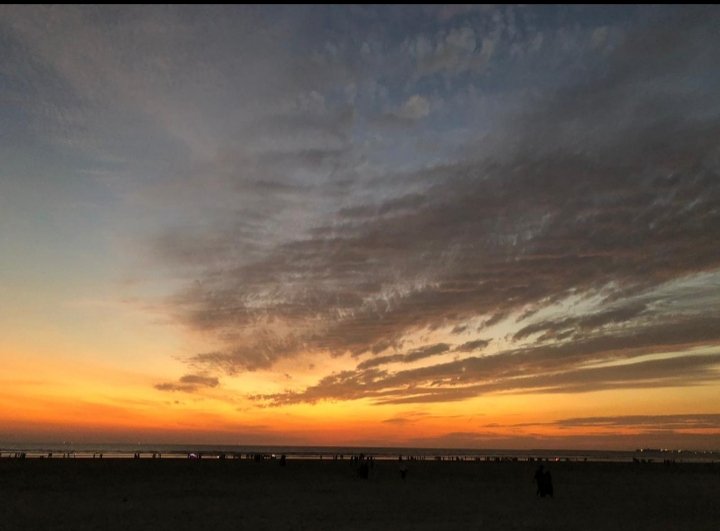
Reverse Angle Shot A shot taken from an angle roughly 180 degrees opposite of the previous shot.
Two Shot A shot in which two subjects appear in the frame.
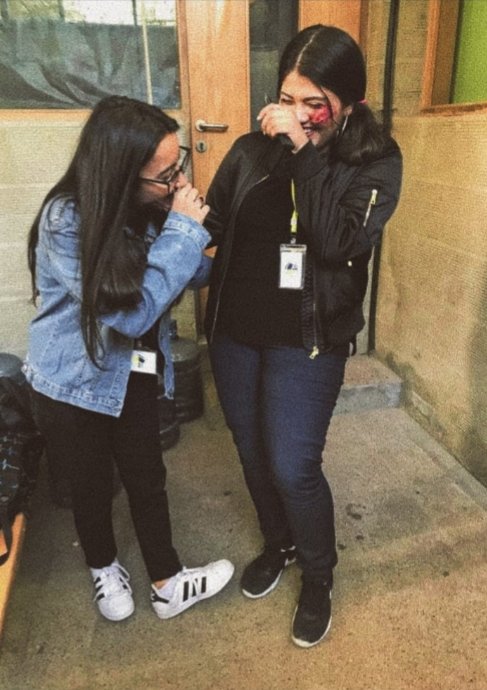
CAMERA ANGLES
Shot types can also indicate where a camera is placed in relation to the subject.
Eye Level Shot taken with the camera approximately at human eye level, resulting in a neutral effect on the audience.
High Angle Subject is photographed from above eye level. This can have the effect of making the subject seem vulnerable, weak, or frightened.
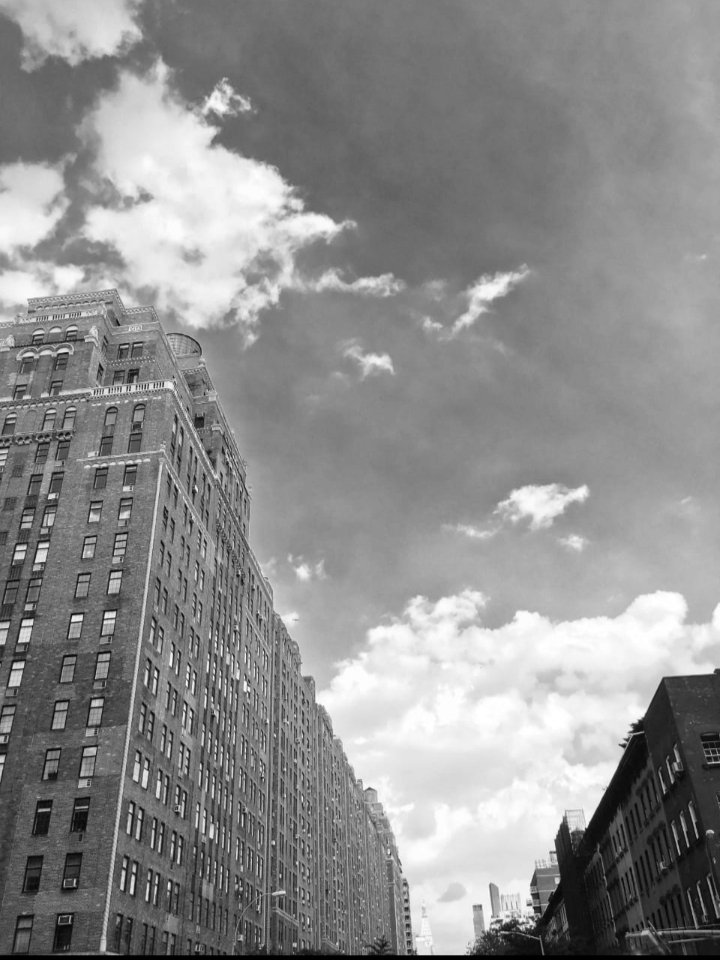
Dutch Angle/Tilt Shot in which the camera is set at an angle on its roll axis so that the horizon line is not level. It is often used to show a disoriented or uneasy psychological state.
Bird’s-Eye View (aka Top Shot) A high-angle shot that’s taken from directly overhead and from a distance. The shot gives the audience a wider view and is useful for showing direction and that the subject is moving, to highlight special relations, or reveal to the audience elements outside the boundaries of the character’s awareness. The shot is often taken from on a crane or helicopter.
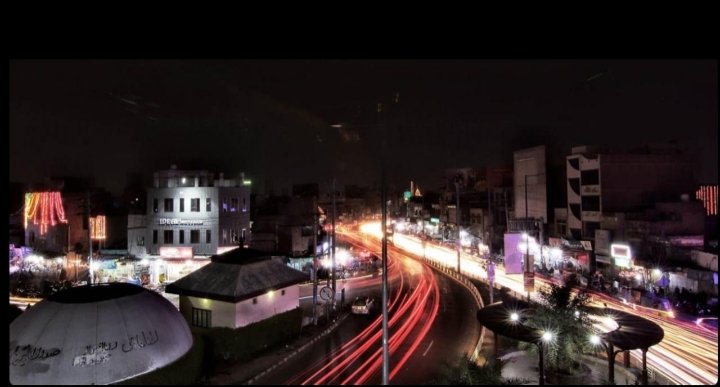
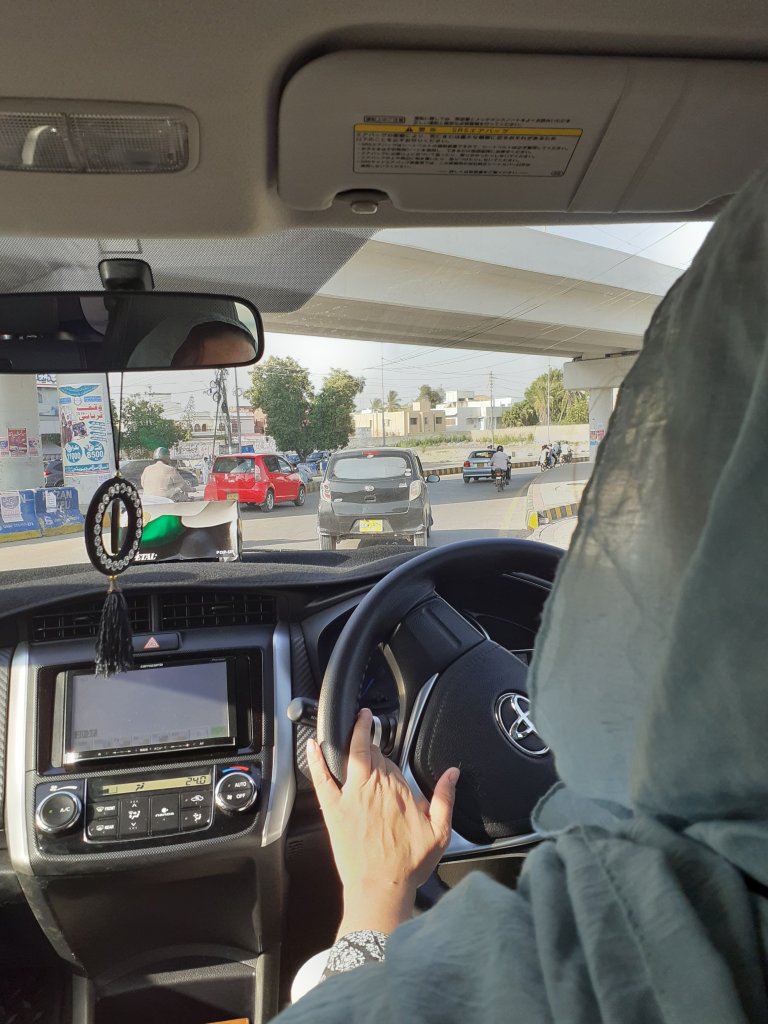
Over-the-Shoulder Shot A popular shot where a subject is shot from behind the shoulder of another, framing the subject anywhere from a Medium to Close-Up. The shoulder, neck, and/or back of the head of the subject facing away from the camera remains viewable, making the shot useful for showing reactions during conversations
CAMERA MOVEMENTS
Without a doubt, zooming is the most used (and therefore, most overused) camera movement there is. It is often used as a clutch when the videographer is not sure what else to do to add interest to a shot. If you are going to use zoom, try to use it creatively. Zoom in or out from an unexpected, yet important, object or person in your shot.
Panning is when you move your camera horizontally; either left to right or right to left, while its base is fixated on a certain point. You are not moving the position of the camera itself, just the direction it faces.
Tilting is when you move the camera vertically, up to down or down to up, while its base is fixated to a certain point. It involves the use of a tripod where the camera is stationary but you move the angle it points to. These shots are popular when introducing a character.
A dolly is when you move the entire camera forwards and backwards, typically on some sort of track or motorized vehicle. This type of movement can create beautiful, flowing effects when done correctly.
Trucking is the same as dollying, only you are moving the camera from left to right instead of in and out.
A pedestal is when you move the camera vertically up or down while it is fixated in one location. A pedestal move is easy to do when the camera is fixated to an adjustable tripod.
Ok, rack focus is not as much of a camera move as it is a technique, in it you adjust the lens to start an image blurry and then shift the focus to make it crisper, or vice versa. It is an extremely effective way for you to change your audience’s focus from one subject to another.

